 By admin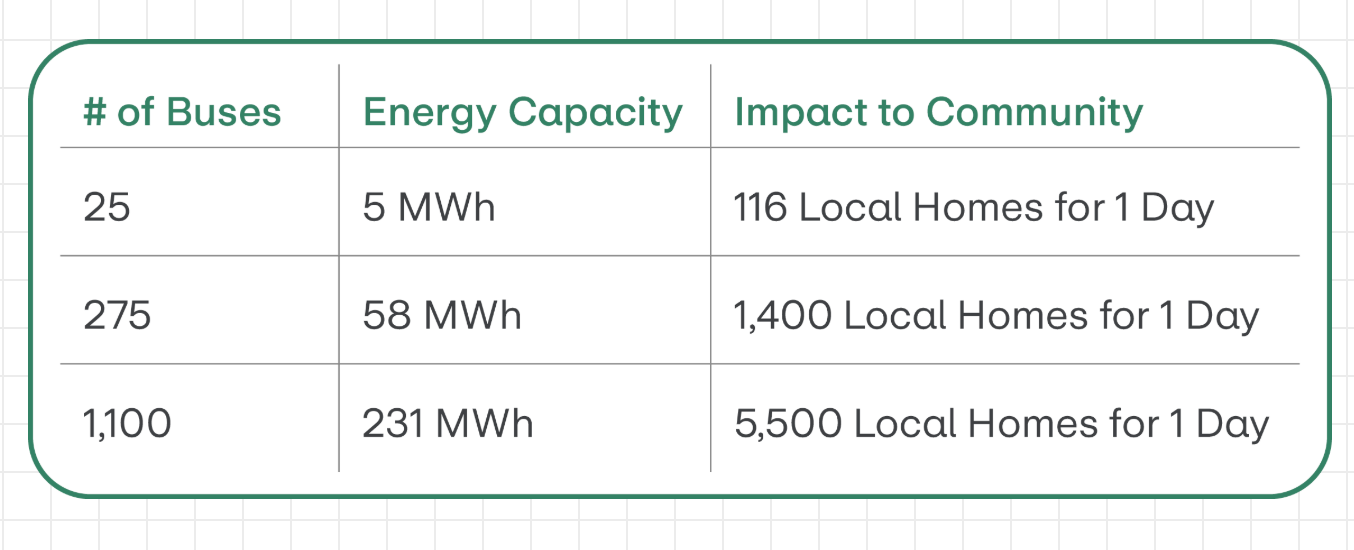
Cherry Creek Schools’ latest additions to the school bus fleet will be even busier than the average kid-hauler, with the new electrified buses able to serve as backup batteries for Xcel Energy’s power grid while parked overnight in the garage.
Read more DA drops arson charge for man accused of starting destructive wildfire west of Loveland
A company called Highland Electric Fleets is teaming with Xcel to provide six electrified buses and a charging garage for Cherry Creek School District. The bus barn and the setup for two-way charging flows will come at no cost to the district, funded instead by a $2.4 million rebate from Xcel’s bus electrification program.
Because electric buses need so much less maintenance — 97% fewer moving parts than a fossil fuel engine — and because diesel fuel prices have shot up, Cherry Creek says the long-term costs of electric school buses for this new lease are competitive with traditional rigs.
The key for Xcel and for environmental advocates is the term “bi-directional.” The school bus batteries are charged, of course, when not in use. But with this setup, the buses’ stored electricity can also be tapped by Xcel to go back out onto the grid to help with peak power demands, say at 5 on a summer afternoon when people get home from work and turn on the AC.
“This partnership works to support our environmental goals while delivering long-term operational savings,” Jennifer Perry, Cherry Creek’s interim superintendent, said at the June 3 groundbreaking for the new bus facility.
Read more Colorado state budget picture improves — but not enough to reverse cuts to public services
Cleaning up the noise and the diesel pollution from school buses was a major push during the Biden administration. The transition to electric buses is proving expensive and complex for districts with a lot of other things to worry about, but some partnerships are moving forward.
Highland Electric Fleets explains that the buses charge in the hours of the day with the lowest electric demands on the grid, and the lowest prices, usually overnight. With the two-way technology, “buses can also send extra energy from their battery back to the grid to help the community stay online during the hottest or coldest days. Buses then top up later in the day after demand decreases. All of this happens in the background and never impacts daily routes,” Highland says.
Even if Xcel did draw down the batteries in afternoon and evening demand peaks, there would be plenty of overnight charging hours to ensure the Cherry Creek buses are ready to go again the next morning, a Highland spokesperson said.
During the last months of the Biden administration in 2024, Highland Electric Fleets received Department of Energy support to start similar pilot programs in 14 communities nationwide. Other pilots are underway in places like Beverly, Massachusetts, and Montgomery County, Maryland, outside of Washington, D.C.