 By admin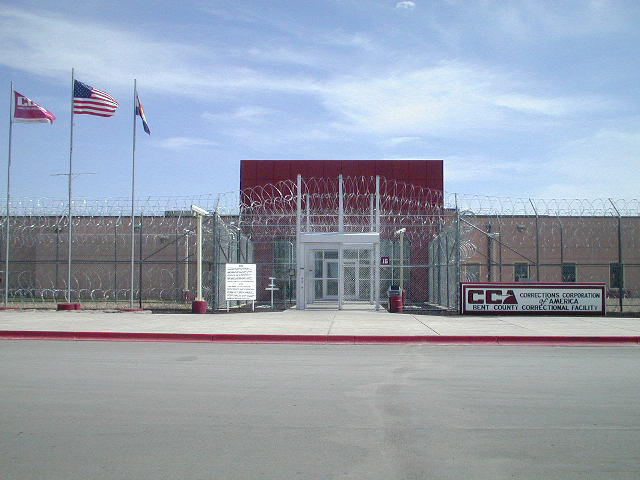
A Colorado inmate who died this month at Bent County Correctional Facility was seeking to overturn his murder conviction based on alleged forensic misconduct by former CBI analyst Missy Woods, according to court filings that detail previously undisclosed problems with evidence testing in his case.
Michael Fisher, who was serving a life sentence for first-degree murder, died June 6 inside the medium-security private prison under circumstances that remain largely shrouded in secrecy as state officials refuse to publicly discuss what happened. Fisher and another inmate, Charles Gates, died the same day after what authorities called “an incident” at the prison, but officials have not said what caused their deaths.
The investigation into their deaths remains ongoing.
The filings shed no light on how Fisher died, but reveal new details about the conviction he was trying to overturn. According to motions filed this week by his attorney, a CBI review found incorrectly reported test results and evidence that laboratory work on the case continued after a forensic report in his case had already been issued. Woods also testified in his trial.
Fisher was convicted of a 1996 killing in Adams County, according to court records. Fisher and another person planned to steal drugs from a woman and when the woman refused to hand over the drugs, Fisher’s accomplice shot and killed the woman, according to a Colorado Court of Appeals opinion in 2000. That court upheld Fisher’s convictions for felony murder — a charge that can apply when someone dies during the act of serious crimes regardless of whether the person directly caused the death or intended to kill — conspiracy and aggravated robbery.
Prior to 2021, felony murder carried a life sentence.
In a motion filed Wednesday, Fisher’s attorney, Nick James, asked the court to posthumously dismiss his case.
According to James, Fisher, 59, was “doing well in prison” and had completed “just about every course available” to him. He worked as a certified peer specialist counseling other inmates.
“Despite his disappointment in the lack of programming available at Bent County, he remained positive, and was working with other inmates on developing peer led mentoring and education programs within the facility,” James wrote.
Fisher had a strong support group outside of prison, “was optimistic about prospects of release” and planned to be a drug and alcohol counselor if his pending clemency application were approved.
After learning about Woods’ misconduct, Fisher filed a formal request in 2024, asking a judge for a new trial and an attorney to help him access and review the forensic reports.
“The basis of this request for a new trial is that there is a substantial likelihood that the trial was tainted by Ms. Woods’ flawed work regarding DNA analysis in this case,” Fisher wrote in February 2024. “If this is the case, then there is inherent possibility that Mr. Fisher’s defense was prejudiced. This could certainly be grounds for a new trial even this late in the game.”
James was appointed Fishers’ attorney in March under the Forensic Science Integrity legislation, which creates a process for people to seek post-conviction relief after an allegation of misconduct by a crime laboratory employee. When Fisher died, a judge had not ruled on the merits of his claim.
Read more Nearly $2M of dark money has flooded into Democratic statehouse primaries in Colorado
Woods, who worked on some of the state’s most high-profile cases throughout her 29-year career with CBI, was charged in February 2025 with 102 felonies on allegations she mishandled DNA testing. She pleaded not guilty, and her trial is set to begin in late September.
An internal investigation found that Woods deleted data, tampered with DNA testing results and cut corners on hundreds of cases. Prosecutors worried that more than 1,000 convictions could have relied on dubious evidence.
In April 2025, a man convicted of murder over a decade ago in Boulder was released from prison after his attorneys alleged DNA evidence in the case was mishandled by Woods. He served 12 years in prison, though prosecutors said they would retry the case.
In court filings, James, Fisher’s attorney, said he received CBI’s data and review on Fisher’s case May 29, about a week before he died, and did not have time to consult with experts on the findings.
State lawmakers have called for more transparency from prison officials in Fisher’s and Gates’ deaths.
The same day Fisher and Gates died, a third prisoner was injured and taken to an outside medical facility for treatment. As of Thursday, his condition was unknown.
“To protect the integrity of this active, ongoing criminal investigation, we cannot confirm or comment on specific details regarding the event,” Alondra Gonzalez, a spokesperson for the state’s prison system, said. “Further verified details will be released through proper investigative channels when appropriate.”
A spokesperson for CoreCivic, the private firm that runs the prison, directed all questions to the state corrections department. The CDOC Office of the Inspector General is leading the investigation.
The Bent County coroner declined to release the causes and manners of the inmates’ deaths, until full autopsy and toxicology results are in, which could take up to 10 weeks.
Read more What’s the status of massive data centers in Colorado? Here’s what you need to know.