 By admin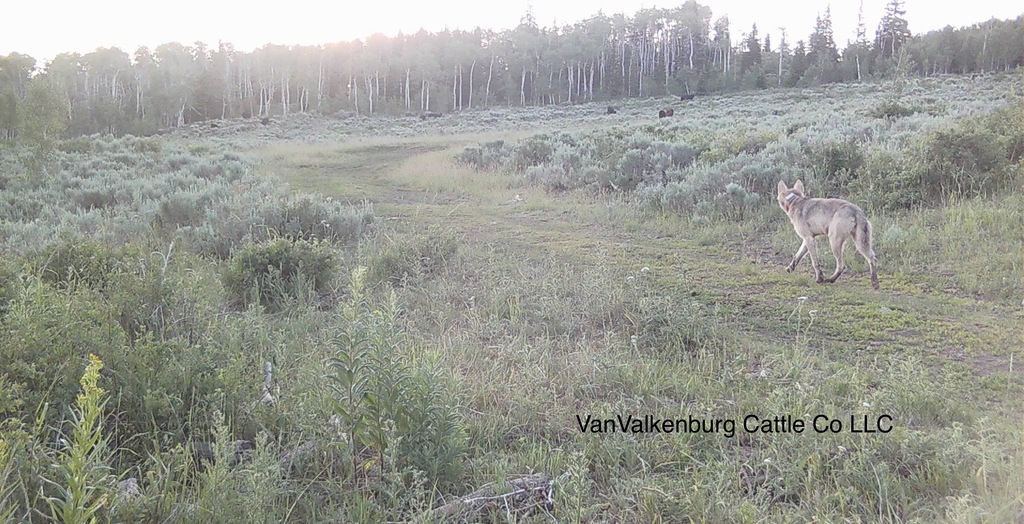
Colorado Parks and Wildlife killed an uncollared female wolf Wednesday, bringing the total number of young wolves the agency has shot and killed in the last week to three.
Read more Denver, Latino groups sue to keep ICE agents from voting places
The agency this morning said officials killed the female from the One Ear Pack in Grand County after they say she continued to prey on livestock following the killing of one of her packmates in early August, despite the ranchers affected using all nonlethal deterrents available to them to try to prevent wolves from continuing to attack their cows.
CPW said it followed guidelines in the federal rule that establishes Colorado wolves as a nonessential experimental population that can be killed if they prey on livestock more than three times in a 30-day period.
Agency officials on Monday killed two other yearling wolves, one from the Copper Creek Pack in Pitkin County and one from the Three Rivers Pack in Rio Blanco County.
The yearlings from the One Ear pack were among wolves that have harassed cattle owned by Jackson County rancher Adam VanValkenburg and neighboring ranches since before reintroduction started, VanValkenburg said. He said a breeding pair migrated there from Wyoming and the pack has remained in the area ever since. There have been no confirmed killings.
VanValkenburg in August told The Colorado Sun the pack had four adults — six yearlings born last year and at least another six pups born this year.
The Coloradoan reported members of the One Ear Pack killed three animals on the Arapaho Ranch, which straddles Jackson and Grand County and that CPW officials told ranch manager Shawn Foster they’d been trying to kill one of the pack’s yearling males after Foster refused to let them try to use diversionary feeding because he had concerns it would attract wolves to his cattle. (CPW spokesperson Luke Perkins said the agency “was engaged with Mr. Foster and adjacent landowners on working to find ways to reduce conflict,” and they discussed the efficacy and application of diversionary feeding as a tool but it was not deployed there.)
From a population management perspective, killing female yearling wolves is worse than killing male yearling wolves because it has a significantly greater negative impact on the growth, reproductive capacity, and long-term survival of the wolf population, according to a European study published in 2019 in the journal Ecology and Evolution.
Read more What to do in Colorado this week: Action and adventure at the Winter Park Film Festival
Conservationists also say CPW is killing yearlings because it may be perceived as more socially acceptable than killing pups or taking out breeding adults, which could severely impact longer-term genetic diversity.
“But the problem is that survivorship of pups is tenuous at best, and breeding potential exists within every wolf that ultimately survives. It is important that CPW justify their current policy,” said Courtney Vail, board chair of the Rocky Mountain Wolf Project.
Perkins said CPW weighs the decision of which wolves to lethally remove carefully, and takes into consideration breeding success, pup safety and decreased chance of reproduction, and that “the choice to remove yearlings instead of breeding adults was made to potentially influence pack behavior while keeping the pack together, minimizing impact on pup survival, and not displacing pack members into new areas that may increase conflict risk.”
But VanValkenburg has been spending upward of 30 hours per week using nonlethal tools to keep the wolves away, including camera traps, strobe lights, motion-activated guard devices and several new tools he and conservationist Chip Isenhart have been developing. So fewer wolves are a relief “because with that large of a pack, there are a lot of mouths to feed in a consolidated area,” VanValkenburg said.
“Will removing the yearlings help? I’m doubtful,” he added. “Talking with neighbors and other people from the community watching firsthand, it’s the adults that instigate the problem.”
The new yearling wolf death brings the total CPW has killed since June to four.
Collared wolves had been moving south and east from where they were released on the Western Slope in 2023 and 2025 until last month, when CPW’s wolf activity map showed them back on Western Slope with the most activity the north of Interstate 70 in Colorado’s northwestern corner.