 By admin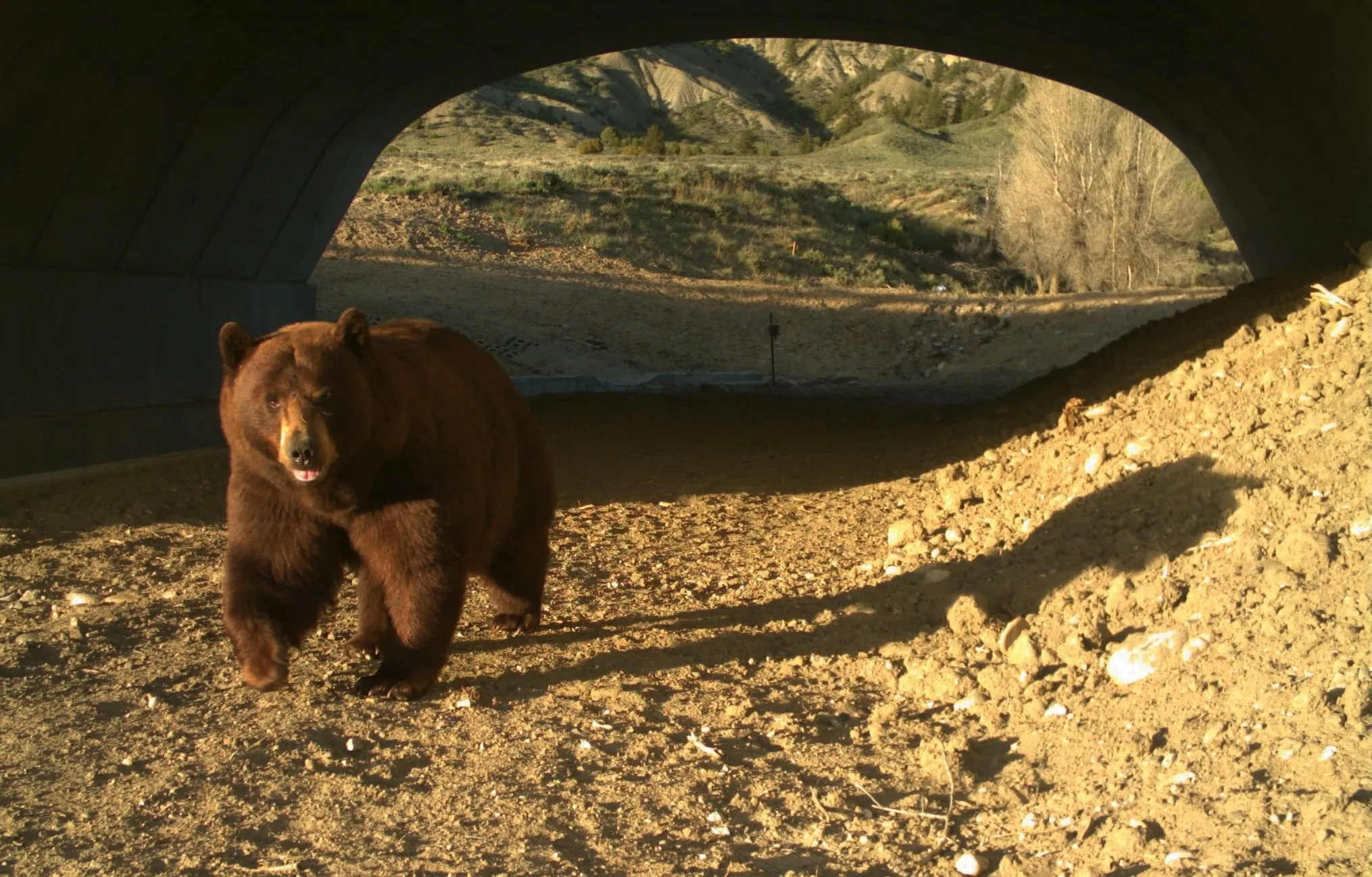
Drivers once hit a wild animal about once a day on a stretch of highway between Colorado’s two most populous cities, Denver and Colorado Springs.
In the roughly 10 months since North America’s largest wildlife overpass opened across Interstate 25 between Larkspur and Monument, drivers have hit two animals, according to state wildlife managers and transportation officials — a 91% drop.
The crossing system includes a 209-by-200-foot bridge, five wildlife underpasses and miles of fencing designed to funnel animals toward the crossings. Together, they give everything from 700-pound elk to tiny toads a safer way across the six lanes of highway that cuts between 39,000 acres of habitat.
“We are thrilled,” said Bridget O’Rourke, a spokesperson for Colorado Parks and Wildlife. “Wildlife overpasses and underpasses and funneling animals to have a safe path across the roads, it’s been statistically proven that it’s successful.”
The $15 million project, completed last December, was a collaboration between state engineers and wildlife biologists to help animals safely cross one of Colorado’s busiest highway corridors, in an area where big game frequently move.
Animals like elk, deer and pronghorn start to migrate through lower elevations as food sources begin to dwindle at higher elevations, O’Rourke said. This year’s drought and wildfires have caused some animals to start moving a few weeks earlier than previous years, including bears, which have been scrounging for food anywhere they can find it.
The end of daylight saving time also causes a sharp spike in wildlife-vehicle collisions because earlier winter sunsets overlap directly with evening rush hour commutes and peak animal migration seasons.
“I think we just have to be aware that the Colorado human population is increasing and we are encroaching on wildlife habitat,” O’Rourke said.
The overpasses are designed for larger animals, but through surveys and trail cameras, biologists have spotted even smaller ones, like bunnies and northern leopard frogs — which have seen dramatic declines in population over the last few years earning a protected status — using the crossings.
“That’s a huge win,” O’Rourke said.
Pronghorn spent decades traveling along I-25 searching for a crossing and in June, biologists confirmed a pronghorn safely crossed the interstate for the first time in 20 to 30 years, Lisa Schwantes, a regional communications manager for the Colorado Department of Transportation, told The Colorado Sun. Additional tracking data shows that pronghorn are also using underpasses.
Read more Lauren Boebert, Eileen Laubacher trade barbs in first and only debate
Data shows the overpass is not just saving animals’ lives, but also reducing crashes that can be traumatic, dangerous and costly for drivers, she said. Fewer crashes also mean fewer law enforcement and maintenance workers required to divert traffic. Data shows that travel delays along the corridor have dropped by about 9%.
CDOT tracks roadkill and wildlife-animal collisions through Colorado State Patrol troopers who respond to crashes and then report them and state maintenance workers who either see the carcasses themselves or respond to reports from drivers, Schwantes said. CDOT maintenance crews track every carcass they move off the highway, from large mammals like elk and deer to smaller critters, like foxes and raccoons.
“I just think it’s a fascinating thing that we can all work together to decrease wildlife collisions,” Scwantes said.
Using data, CDOT, with CPW and the Colorado Wildlife and Transportation Alliance, can identify areas across the state where wildlife overpasses can benefit the largest number of animals.
Six more crossing systems are being designed, including the first wildlife overpass specifically designed for Rocky Mountain bighorn sheep along Colorado 40, east of Empire, Schwantes said.
Other plans are focused on the westbound lanes of I-70 at East Vail Pass between Vail and Copper Mountain, I-25 just north of the New Mexico state border, on U.S. 160 east of Cortez in southwestern Colorado, over Colorado 40 west of Craig, and near U.S. 287 south of the Wyoming border.
Starting in January, Colorado drivers will be able to opt in to a $5 fee that goes toward the construction of wildlife passes across the state, similar to the $29 fee for the Keep Colorado Wild pass, which has generated $146 million since it launched in 2023.
“With your $5, it might not sound like a lot, but it adds up, and it’s something our state genuinely cares about,” O’Rourke said.