 By admin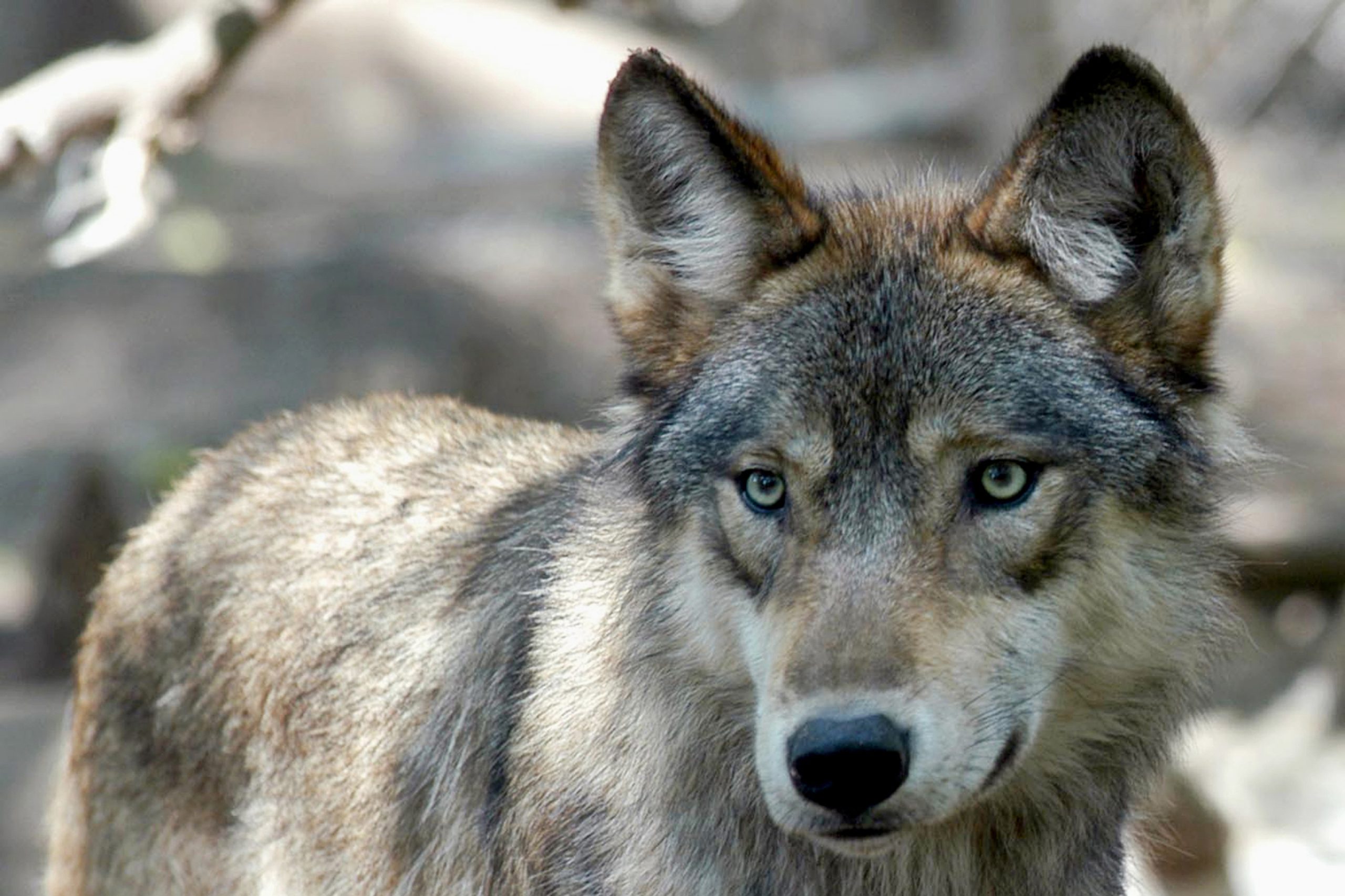
Colorado wildlife agents shot and killed two yearling wolves from separate packs on Sept. 7, after the wolves killed multiple livestock over three months in Pitkin and Rio Blanco counties.
Read more Colorado wants tougher air pollution limits for state’s only oil refinery
Wolf advocate Courtney Vail, board chair of the Rocky Mountain Wolf Project, said she has questions over how Colorado Parks and Wildlife determined the wolves were responsible for the attacks.
“It’s unclear the amount of precision that went into identifying the actual perpetrators of these depredations considering we are dealing with uncollared wolves,” Vail said.
Colorado Parks and Wildlife said the wolves from the Copper Creek and Three Rivers packs attacked cattle on different ranches between June and September.
That was despite ranchers using nonlethal methods to keep the predators away, including monitoring their herds through the use of cameras connected to cellphones, nightly range rider patrols and hazing of wolf packs with deterrents like strobe lights, air horns, whistles and motion- or radio-activated guard devices.
A statement from CPW said the agency’s decisions to kill the wolves were made in consultation with the U.S. Fish and Wildlife Service and in accordance with applicable legal requirements, including the USFWS 10(j) rule, which classifies wolves in Colorado as a nonessential experimental population. As such, the federal rule gives wildlife agencies and landowners legal leeway to use deadly and non-deadly means to resolve conflicts.
What about target populations?
The Colorado Wolf Restoration Management Plan calls for a target population of 150 to 200 wolves in multiple packs with members of different packs breeding over time. CPW had planned to transport 10 to 15 wolves each year over a three-to five-year period, but was stopped in January after two releases when the U.S. Fish and Wildlife Service blocked the agency from importing any more wolves.
CPW reintroduced a total of 25 wolves between December 2023 and January 2025. Of those wolves only 12 are still alive. Five packs have formed, however, including the Copper Creek, One Ear, King Mountain, Three Rivers and Piney Ridge packs, each with at least one litter of pups and several with multiple litters.
According to CPW’s latest annual wolf report released in April, the population includes 18 collared wolves and 14 pups. CPW said “an interesting aspect of this is that of the 32 wolves identified in Colorado, 24 are members of four established packs (10 adults and 14 pups).” The remaining eight are adult lone wolves.
The Copper Creek pack had its first litter in the spring of 2024 when a male and female introduced from Oregon mated. The following year, the female had a second litter with a wolf from British Columbia. Wolf conservation groups estimate five Copper Creek wolves remain alive plus an unknown number of pups born this year. The estimates do not include three yearling wolves CPW killed between May of 2026 and June, they said. (CPW will not confirm unofficial wolf counts.)
Read more BLM ignored wildlife migration when it leased Colorado land for oil and gas drilling, lawsuit claims
The Three Creeks pack formed in spring of 2025 and had three winter pups as of April 30. Conservation groups estimate four wolves remain plus the pups born this year.
Are we good or not good?
At the CPW commission meeting on Sept. 2, Director Laura Clellan said repeatedly that despite the number of wolves the agency has killed since the program started, “we have a growing population on the landscape.”
She also assured commissioners that “our current genetic analysis demonstrates the wolf population has high diversity, indicating that inbreeding is not a hurdle to wolf recovery.”
But Kaitie Schneider, a conservation biologist with the wolf-advocacy group Defenders of Wildlife, said each time a wolf is killed should be cause for concern with a population as low as Colorado’s, because it is one more wolf removed from the gene pool when genetic diversity is a key component of successful wildlife recoveries.
Genetic diversity gives wolves a better chance to stay healthy, survive diseases and adapt to environmental changes. At the moment Colorado’s wolf population isn’t such that wolves are inbreeding, but more wolves are “going to be really important in avoiding problems we’ve seen with other reintroduction programs,” Schneider added.
The Center for Biological Diversity, a nonprofit known for its work protecting endangered species through legal action and grassroots activism, submitted a petition to the CPW commission in March requesting updates to its regulations on managing conflicts between gray wolves and livestock and asking the agency to tighten and clarify the standards required before authorizing the legal killing of wolves.
The petition asks for the permits that give CPW the legal authority to kill wolves to be shortened from within 45 days to 30 days of an attack. It calls on CPW to prioritize nonlethal tools, separate killing decisions from compensation claims and require written, evidence-based decisions when intervening in conflicts. It also says CPW should continue to view lethal control as a last resort.
The Center for Biological Diversity said in a statement that it is not trying to impose new mandates on producers, change or revise rules related to the killing of wolves caught attacking livestock, alter CPW’s legal authority, change compensation programs or ban lethal control.
“But Colorado can’t keep killing wolves when it already has so few left and no additional reintroductions are in sight,” said Samantha Miller, a senior carnivore campaigner at the Center for Biological Diversity. “CPW killing four wolves this year amounts to internal sabotage by an agency that’s failing to take its responsibility for wolf recovery seriously.”
Read more Colorado IT office rehires 15 of 173 laid-off state workers, says overhaul will save at least $6M