 By admin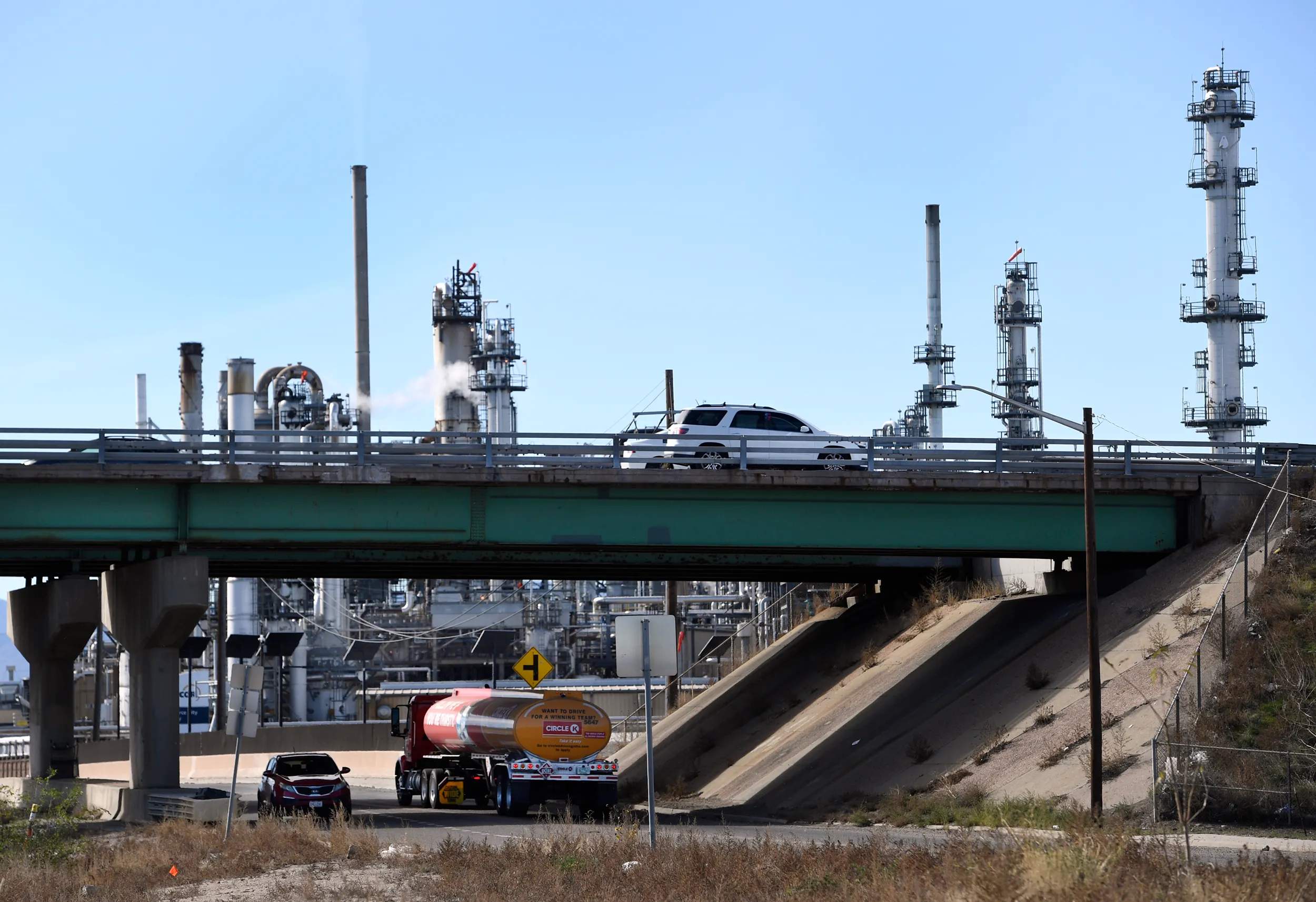
Colorado air pollution regulators are drafting tougher limits for Suncor in Commerce City, the state’s only oil refinery and a frequent emissions violator, and will ask the Air Quality Control Commission to start reviewing new rules in December.
Read more BLM ignored wildlife migration when it leased Colorado land for oil and gas drilling, lawsuit claims
A final vote on the new refinery curbs would come in early 2027, with regulators planning to require both new equipment and procedures that would cut toxic gases from highly visible flares that loom over north Denver and south Adams County.
Suncor, the highly profitable producer and refiner drawing from Canada’s tar sands oilfields, is continually in trouble with Colorado regulators for accidents and machinery restarts that emit benzene, sulfur dioxide, nitrogen oxide and other pollutants. Neighborhood groups and environmental watchdogs have peppered state regulators for years with demands for more protection.
“We’ve heard a lot from the community over the years, and now we have the information we need to really aggressively go after measures to help continue to improve emissions from the refinery,” said Air Pollution Control Division Director Michael Ogletree, in an interview.
A Suncor spokesperson said the refinery will continue working with regulators, but also noted the potential expense of new regulation.
“Since 2005, we have made significant investments in reliability, operational and environmental improvement projects, with additional investments planned. We remain committed to continuous improvement, regulatory compliance, and working with regulators and stakeholders to responsibly support Colorado consumers and Colorado’s energy needs,” the company statement said. “As Colorado’s only refining operations, our ability to remain competitive with out-of-state suppliers is essential to supporting local jobs, continuing investment in the facility, and providing the fuels Coloradans rely on every day.”
Suncor supplies most of the vehicle fuel for Colorado, and a significant share of the aviation fuel at Denver International Airport.
Colorado continues to investigate three potential violations of emissions rules that could lead to more sanctions, in July of 2024, January of 2025 and November of 2025, according to APCD spokesperson Kate Malloy. The division is separately looking at emissions incidents from early 2026, but has not yet launched a formal enforcement process on those, she added.
Read more Colorado IT office rehires 15 of 173 laid-off state workers, says overhaul will save at least $6M
In February 2024, Colorado issued a $10.5 million Suncor penalty for three years of air pollution violations, calling it the largest-ever action against a single facility. At the time, the state also settled a lawsuit with an agreement to double the amount of monitoring of air pollution at the fenceline of the fuel plant.
Regulators say they are motivated in part by a commissioned third-party study comparing refinery operations and emissions around the United States. Suncor fared poorly in some of the comparisons.
“We’re seeing that other refineries are implementing other types of practices and technologies that can continue to drive down emissions at Suncor,” said Jessica Ferko, planning and policy manager for the state air pollution division. “That’s why we want to explore the ability to implement some of those here, and see if we can get Suncor to be one of the top performers.”
Many of Suncor’s spiking emissions events come after a repair or maintenance episode shuts down and then restarts machinery, regulators say. The restart can overload emission controls, and sometimes creates highly visible clouds and flames startling the surrounding neighborhoods.
Colorado has the regulatory power to specify new control technology, in addition to setting emissions limits, Ogletree said.
The division held three public Zoom meetings in late August and early September to take suggestions and feedback on new refinery limits. The commission rulemaking process also requires more public hearings once state staff have recommended new regulations.
“We know the community is overburdened” by pollution and industrial surroundings, Ogletree said. “This is another opportunity to take their voice into account as we look to improve compliance.”