 By admin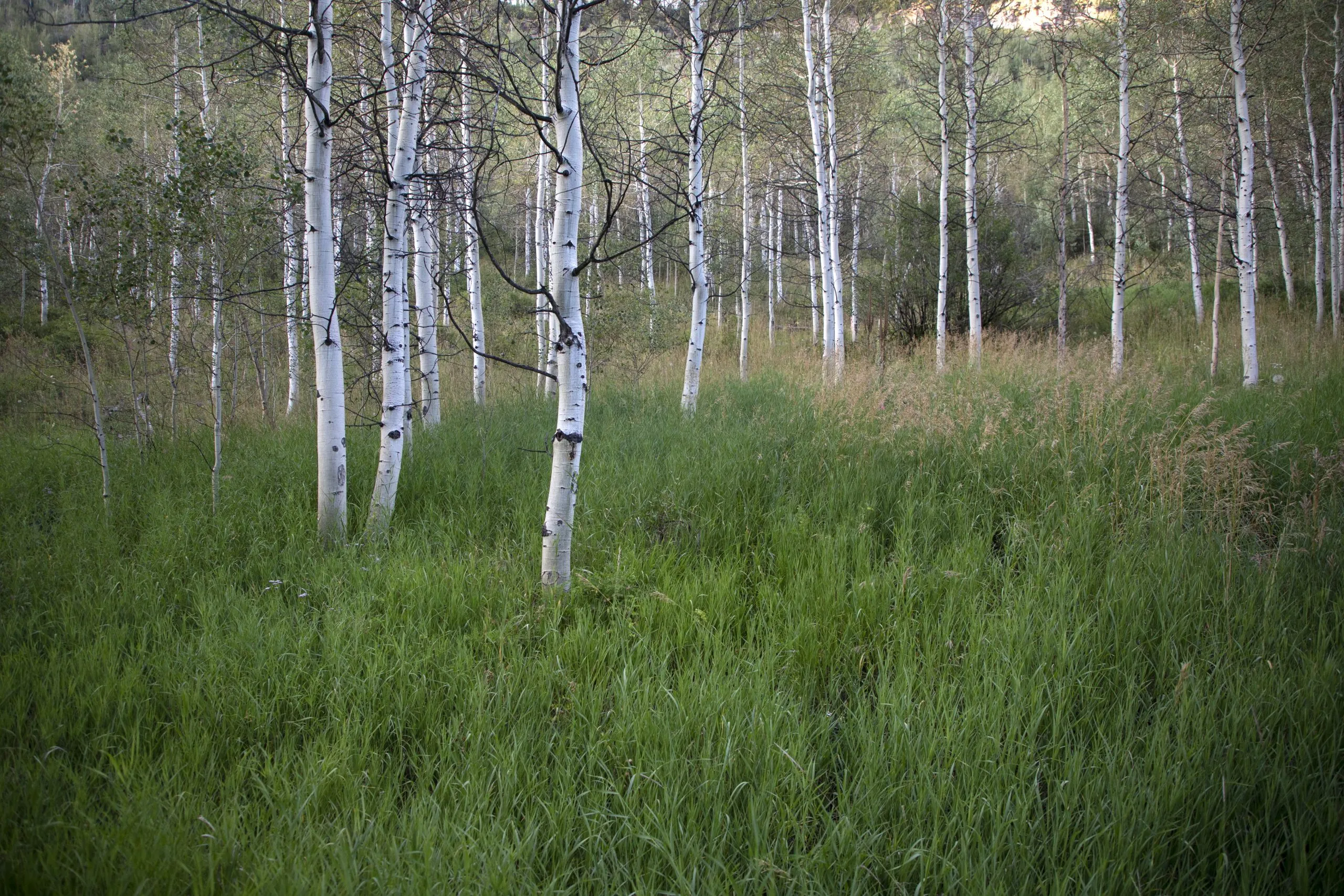
Firefighters, emergency planners and foresters in Colorado know that a healthy stand of aspen can be a day-saving firebreak, by slowing flames and giving crews and nearby homeowners a chance to regroup.
Whether that happens because the aspen themselves are moist and fire-retardant, or because aspen tend to grow in higher-moisture ground that is itself the firebreak, is still somewhat of a mystery. A new study out of McGill University in Canada, home to this season’s most intense wildfires so far, reinforces the idea of using aspen to slow or stop fires. Colorado foresters are on board.
“It’s something that we’ve known all along,” said Aaron Green, associate director of the Colorado State Forest Service. “The idea that there’s a ton of value in having kind of a diversity or a heterogeneity in stand structure to keep disturbances small is something that we’ve understood for a long time. But it’s good to see research that kind of confirms some of that, for sure.”
The McGill researchers said past studies could only look at local or regional aspen stands in Canada. But better remote sensor networks let them study how aspen reacts to fire in nearly 80% of Canada’s aspen, across four ecozones.
“Across the study area, our results indicate that aspen acted as a barrier to fire progression,” the researchers said, publishing their work in the journal Forest Ecology and Management. The aspen that did burn took flame at a lower severity than other stands of trees, the study concludes.
Read more A group of aspen trees can slow or even stop fires, study says. Colorado foresters agree.
Aspen held up as a barrier even in bad conditions for fire spread, such as hot dry days in spring and summer. “The results indicate that aspen can continue to act as a fire barrier, even with an increase in the number of days conducive to high-severity fires,” the researchers said.
The research supports Colorado state forestry efforts to diversify stands that have been devastated by pine beetle infestations, drought, blowdown and wildfire, officials said. State forester Matt McCombs has also said long-term plans must promote growth in tree species at higher elevations that can provide shade to slow melting of snowpack diminished by climate change.
When a wildfire wipes out most trees in a burn area, Green said, aspen are the first to come back in the moister areas of the terrain. Aspen grow quickly but then have relatively shorter lifespans, of 100 to 120 years. Conifer seedlings eventually overtake the aspen and become a long-lived pine forest. Douglas fir, for example, often live 500 to 1,000 years.
“Aspen is not a 100% effective fire deterrent, but compared with other species, it is a better choice to plant around communities or critical infrastructure,” said Flavie Pelletier, lead author for the McGill study and a recent Ph.D. graduate in natural resource sciences.
Read more International adoptions by Colorado families have dropped to lowest on record