 By admin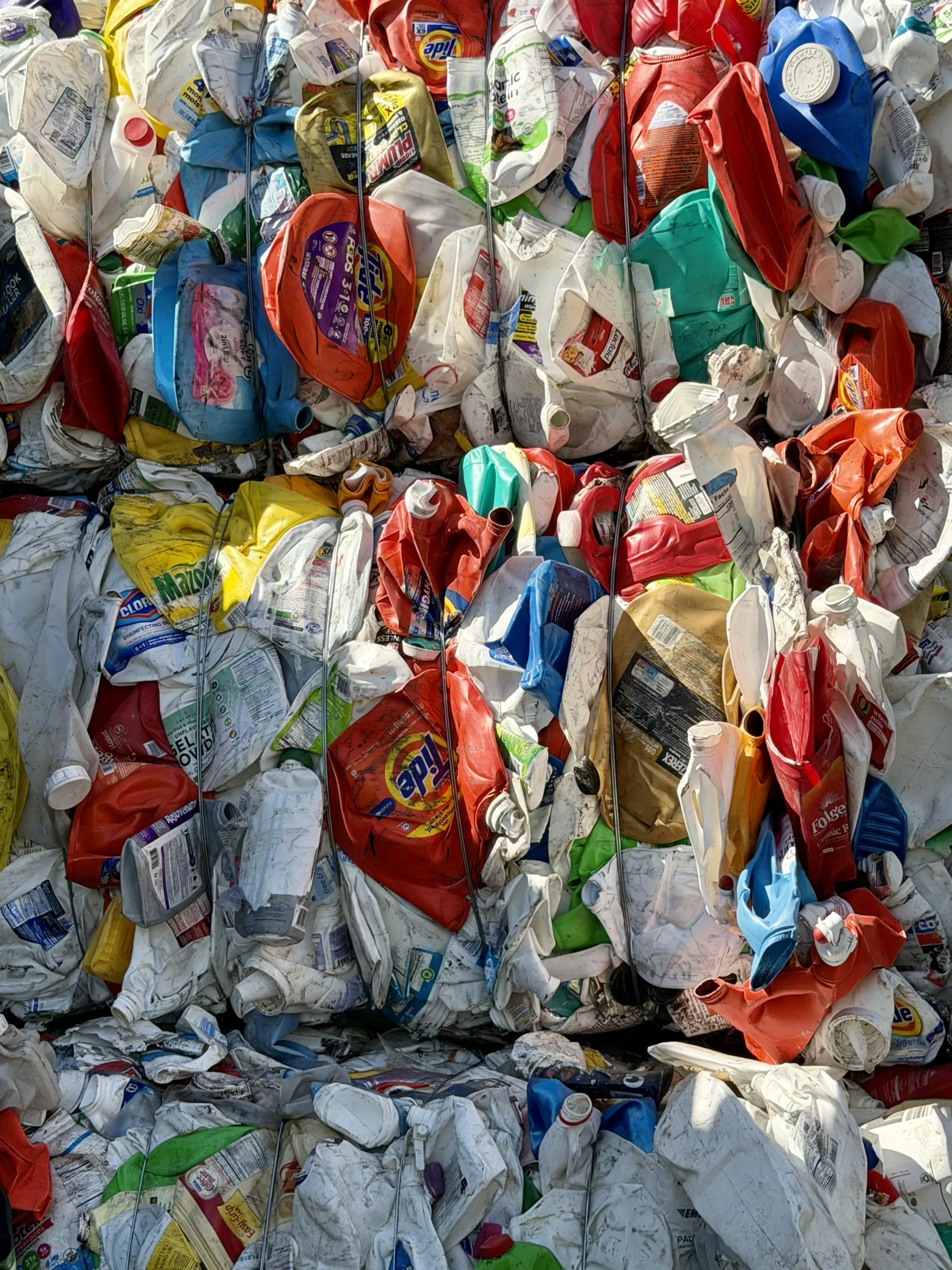
The mixed recycling loads arrive relentlessly at Republic Services in north Denver, 500 tons a day, 10,000 tons a month, exhausting and confusing for any human brave enough to take on the nonstop sorting job at relatively low wages.
But the robots don’t get exhausted. And they rarely get confused. So Republic Services, like other mass trash and recycling sorters, is adding artificial intelligence-assisted robot arms to keep up with a rapid expansion of Colorado’s waste-diversion efforts.
The AI-assisted arms installed in May in north Denver are plucking valuable stray pieces of cardboard off the conveyor lines at 60 to 70 hits a minute. There are many things the robots don’t do better than humans, but at this they have been an instant success: A human worker on the same line is plucking 40 to 50 cardboard scraps a minute, with far more mistakes.
Every 6-by-12 inch cardboard flap plucked by the robot adds up. Cardboard is one of the most valuable commodities coming out of a recycling center, because it can be bailed and shipped in bulk and remade into equally valuable new containers, all with rising demand from retailers like Amazon.
Of the 10,000 tons of single-stream recycling Republic Services brings into the sorting facility every month, from Denver and surrounding suburbs, 2,500 tons is either nonrecyclable or has no effective commodity market. So it goes to the landfill, and contributes to the abysmal Colorado waste diversion rate that a series of state and local laws in recent years is trying to reverse.
“So we have a 25% residue percentage, and that’s fair,” said Republic Services Denver plant manager Steve Derus. “We would like it to be in the mid- to upper teens, that would be great.”
The volume of sorting for Republic Services and other companies is set to grow significantly this year, as Colorado’s producer responsibility law takes real effect. Companies that produce a lot of consumer packaging, such as shipping warehouses, beverage and snack companies and home consumer products will be paying a tiny fee for each package. Those fees are being collected by the Circular Action Alliance, a nonprofit trade group, and with state oversight will be given to local communities in grants to establish or expand curbside recycling and other waste-diversion efforts across Colorado.
WM, formerly Waste Management, opened its own major expansion last week to help fulfill demands from the state recycling boost. WM has a new $110 million sorting facility at its hauling location in southeastern Aurora, capable of handling 175,000 tons of material a year over nearly 2 miles of conveyors.
Republic Services’ AI arm, made by Glacier in California, can be constantly monitored for mistakes and reprogrammed for improvements. It can also be moved to different spots in Republic Services’ warehouse-filling conveyor line, able to pluck plastic or glass or ferrous metal or any station it can add the most value to the process.
Each material in the single-stream fits into a hierarchy. Aluminum cans are the most valuable, with a solid commodity price and easily recycled while saving enormous energy. Cardboard is great, the more bales of intact boxes the better, picked up directly from balers stationed at shopping malls or other heavy users.
Read more Firefighters race to increase containment on Colorado wildfires as hot, dry conditions set in
Glass is valuable, as there are local manufacturers in Colorado who take spent glass and remake it into new containers. Clear glass is best, as it can be remade into any new color; colored glass can only be remade into brown. Having local end users avoids the high shipping costs of heavy raw glass.
Plastics are all over the place, literally and economically. Thick gallon milk jugs or Tide-style laundry detergent bottles have relatively high commodity value once sorted and baled. They can be chipped and reused in nonfood containers, plastic lumber and other consumer goods.
Plastic containers with higher recycling numbers, or flimsy produce bags, chip bags and the like, currently have no market and serve only to gum up the intricate sorting machinery and mess up the warehouse. Pneumatic arms blow film and lighter plastics off the top of the lines to be gathered for landfilling.
Everywhere on the line, accuracy is money. A piece of a ceramic coffee mug in a pile of crushed glass, for example, can ruin a whole load of saleable glass.
Under the new AI robot arm, every few minutes the tireless machine has filled a trash can with plucked cardboard pieces, and a human worker dumps that into a baler and replaces it with an empty can. Derus does not envision such robots replacing Republic Services’ 25 to 35 human workers, but giving them the chance to retrain. Republic Services would like to move up line workers to more technical jobs that maintain equipment and supervise systems.
How well Colorado’s sorting centers do in reducing the 25% landfill rate is in good part up to consumers, Derus said. The recycling expansion under the state producer fees will only be successful with a widespread education campaign, he and other recycling experts noted.
For example:
- Do not bag assorted recycling in a flimsy plastic bag. The plastic film wraps around sorting machinery and demands periodic line shut downs and maintenance.
- Clothing is not recyclable. That, too, simply gets wrapped around machinery and causes jams or breaks.
- A used-up aluminum skillet or a hunk of metal fallen off your car are not the same as Coke can. Republic Services workers are constantly plucking out pans, wire and other scraps that are dangerous on the line and not easily recycled. They must be collected and sold later to a scrap dealer.
- Ceramics are not glass. Don’t put dinnerware in recycling unless it’s obviously glass.
- When in doubt … garden hoses, batteries or greasy pizza boxes should not go into the single-stream bin. “Wish-cycling” is not a thing.
And if you really care about the humanity of recycling workers, Derus adds, remember his No. 1 rule: No mannequins.
About once a month, someone on the line shouts “Body!” and the whole conveyor shuts down. A few minutes of trauma later, it turns out to be a clothing dummy. In person, it’s never funny.