 By admin
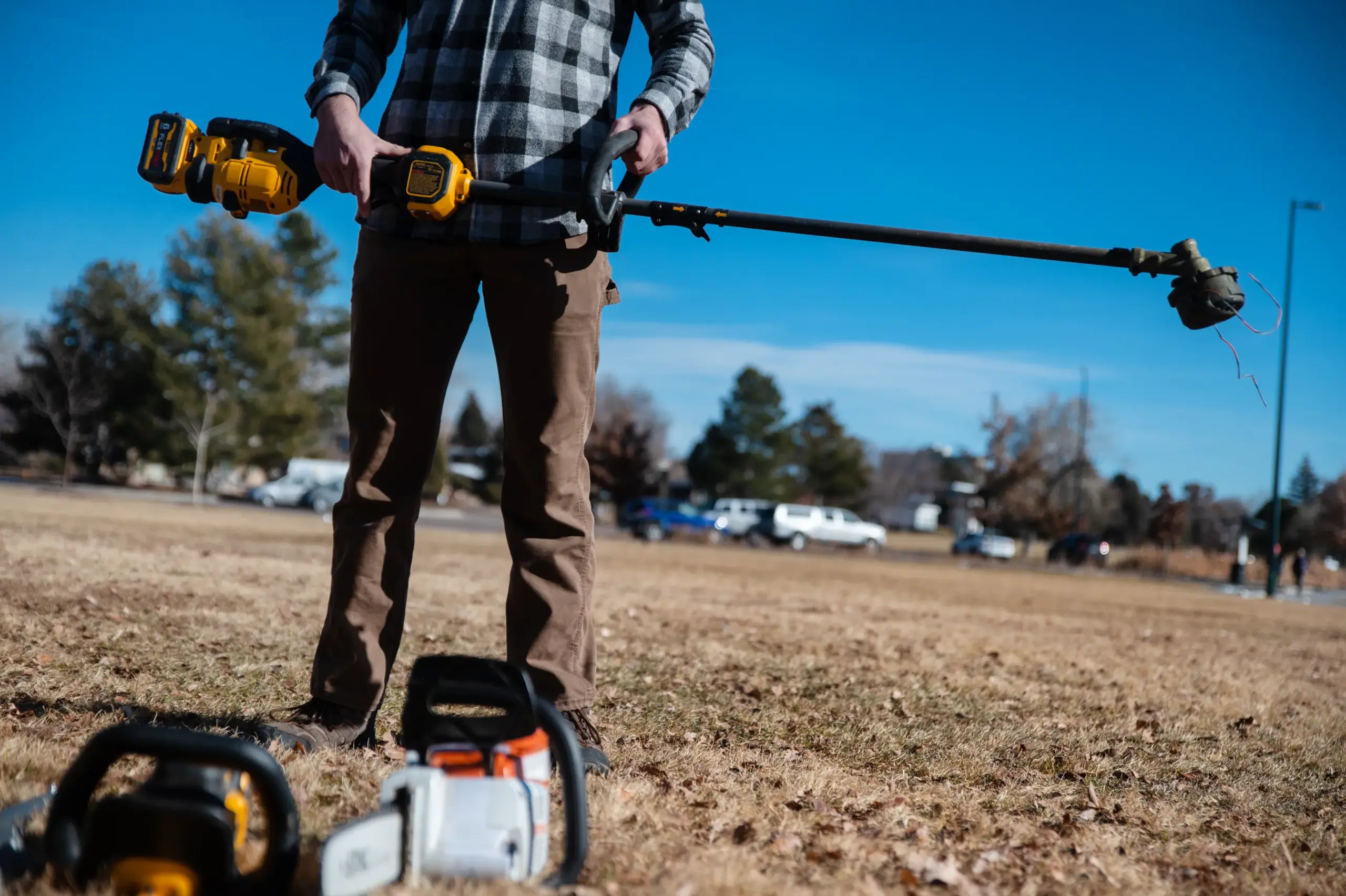
Colorado’s latest move to trim unhealthy ozone in nine northern Front Range counties mandates the summer phaseout of gas-powered lawn care equipment by commercial operators in favor of clean electric starting next year, after a Friday vote.
Read more How little free libraries are making a difference in Colorado’s book deserts
The Air Quality Control Commission approved the gradual changeover for private lawn care companies after one of the worst ozone seasons in recent years, with the clock ticking on reaching Environmental Protection Agency caps on the lung-searing toxic gas. New restrictions on commercial providers during the summer high-ozone months come on top of existing rules barring use of gas-powered machines by government parks and landscaping departments.
Toxic ground-level ozone is created by emissions from fossil fuel combustion and other activity combining with wildfire smoke and other substances, then baking under the hot Colorado sun. This past summer, sensors recorded Front Range ozone violations on 66 days, just under the record high of 67, and years of policy changes have failed to achieve cuts below the federal limits.
Fossil-fuel powered lawn equipment like mowers, trimmers and leaf blowers are a small contribution, a couple of parts per billion of ozone toward the current federal limit of 70 parts per billion. But they are also one of the last pieces of relatively low-hanging fruit in the policy battles against stubborn ozone, since most drivers and lawmakers resist restrictions on major contributors like passenger vehicles.
“Air pollution emissions from the lawn and garden sector contribute to approximately 13% of all ground-level ozone pollution in Colorado’s nonattainment area,” state health officials say.
Colorado commissions and lawmakers have passed rules meant to cut emissions from other major contributors, like the oil and gas drilling and production industry, but those trims have in part been overwhelmed by increases in summer temperatures and local and blown-in wildfire smoke. Environmental and health groups have proposed a summertime ban on new oil and gas exploration, but have been rebuffed.
Environmental and consumer groups that have worked on lawn equipment changes praised the AQCC’s unanimous vote Friday.
“We should not tolerate harmful pollution from cutting grass and blowing leaves around, especially when cleaner, quieter technology is available,” said nonprofit CoPIRG’s clean air advocate, Kirsten Schatz. “With this vote, our state leaders have taken another big step toward cleaning up the air pollution that is harming our health and quality of life.”
Read more What to do in Colorado this week: MacArthur “Genius” Chip Thomas stops by the San Luis Valley
Nonprofit groups note Colorado law extends a 30% discount on clean electric lawn equipment at qualified retailers, and the Regional Air Quality Council also offers grant help to commercial operators looking to switch out equipment.
“These rules will benefit the communities that face some of our state’s worst air quality,” said Routt County Commissioner Sonja Macys, current president of Colorado Communities for Climate Action, a coalition of 49 local governments. “Gasoline-powered equipment plays an outsized role in contributing to ozone pollution, climate pollution, and localized fumes.”
“Switching to electric alternatives over the next few years will bring meaningful reductions in emissions leading to ozone pollution, so it’s a big win for public health in the region,” said Mike Silverstein, executive director of RAQC, whose representatives from Front Range governments make policy recommendations on air cleanup measures. “It also comes with significant health benefits for the workers who use this equipment all day.”
The new rule sets limits on gas-powered machines from June 1 to Aug. 31, including “push and hand-held string trimmers, hedge trimmers, blowers, edgers, pole saws, and push or walk-behind lawn mowers. Individuals who do their own yard work will not be expected to comply,” the state health department said in a statement after the vote. The state and local incentives do apply, though, to individuals wanting new clean equipment.
The largest ride-on mowers were left out of the new rules because there are not as many viable, affordable options for commercial operators to switch to electric.
Commercial operators must inventory their existing equipment with the state. Beginning in 2027, they may use 85% of their gas-powered equipment during summer months. In 2028, that portion drops to 65% of gas equipment, then 25% in 2030, and finally 10% in 2032.
Read more State submits bid to host new US Space Academy in Colorado Springs