 By admin
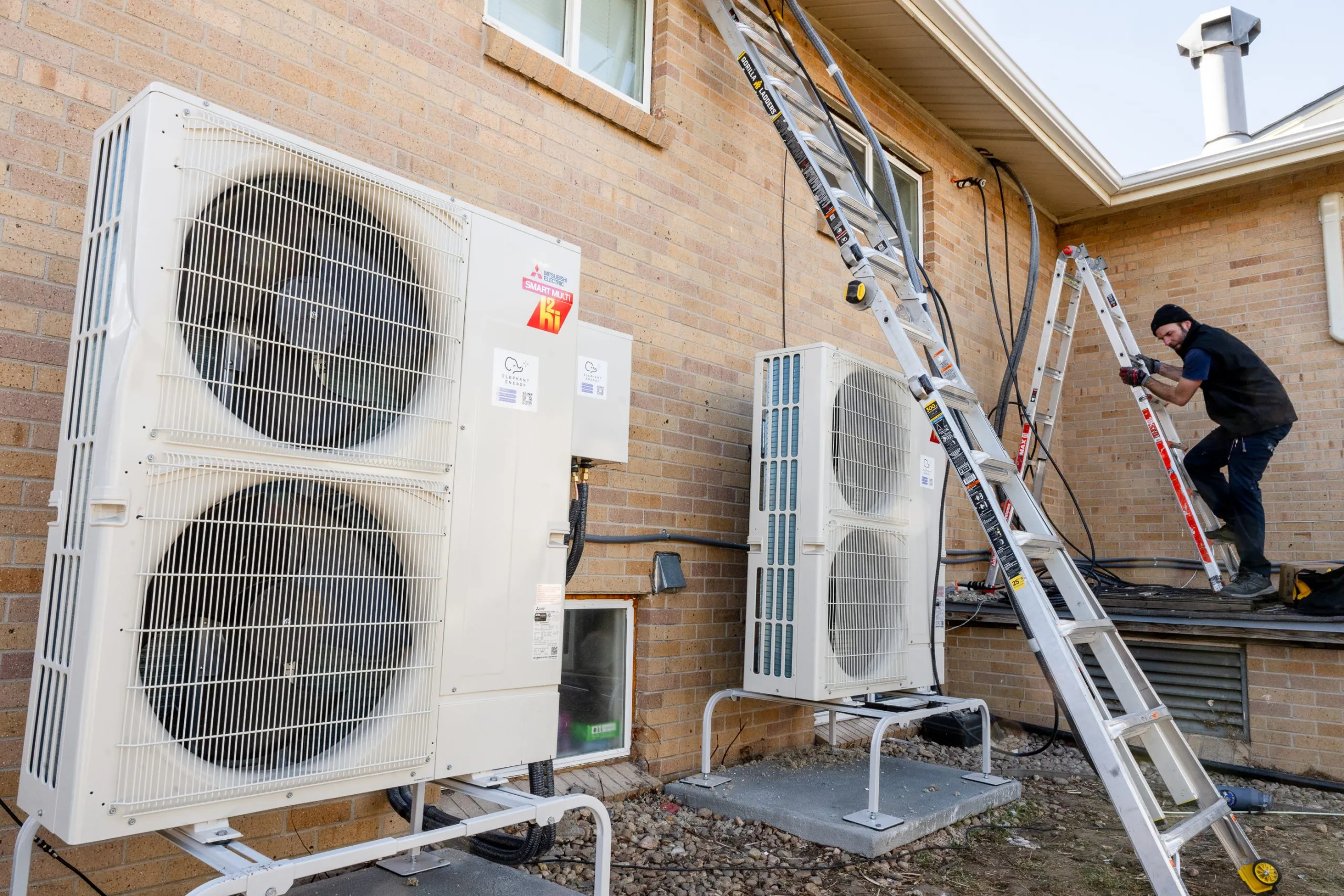
Colorado’s electric grid has winter capacity “headroom” to power millions more clean energy heat pumps to replace natural gas furnaces, a transformation that would ease consumer bills and expand the global warming fight, according to a new study.
The energy analysis nonprofit RMI, formerly Rocky Mountain Institute, says Colorado’s electrical demand peaks tend to come in summer from air conditioning, and that in winter the state could handle 1.6 million more heat pumps, or 17 times more than currently installed.
Heat pumps run on electricity instead of natural gas, and provide both winter heating and summer cooling. As Colorado’s electrical grid transitions to clean solar and wind generation, state officials and environmental groups see home and commercial furnaces as a key opportunity to cut greenhouse gas emissions from fossil fuel burning.
Switching that many heating and cooling systems to heat pumps could lower expected Colorado electricity rates by 9%, amounting to just over $100 per household a year and $255 million in statewide savings, according to RMI. Accounting for weather differences and grid variation nationwide, RMI estimates 109 million U.S. homes or five times the current amount could utilize heat pumps.
“What heat pumps can do is kind of spread the load, rather than where we’re using all gas in the winter to heat homes and wasting all of this electric capacity,” said Sarah Tresedder, senior climate and energy organizer for the Sierra Club. “In the summer when we’re using air conditioning, utilities have built out for all of that, and then in the winter we have all this infrastructure built, and it’s just sitting idle.”
Reaching those levels of heat pump conversion could cut greenhouse gas climate pollution by 26%, the researchers said.
Keeping a lid on utility price increases becomes a bigger issue each month, as for-profit power generators scramble to meet spikes in demand from data centers and average consumers worry they are getting stuck with the bill. Inflation for consumer basics like utilities, gasoline and mortgages is a major driver of election decisions this fall, polls show.
Read more RTD will offer free bus service along key routes to ease the ride for Sundance crowds
In August, Colorado’s largest utility Xcel Energy received approval from the Public Utilities Commission for a $157 million electricity rate increase that will raise the average residential bill by about $5 a month. The average residential bill will rise to $109.92 a month from $104.91. When Xcel Energy originally filed the rate request in 2025 it said the average monthly bill was about $100.
The average bill for small commercial customers will rise a little less than 5% to $164.37 a month.
Xcel initially sought a $365 million increase, which utility advocates said would have been the largest in history. Affordability became an issue in the August rate case as Xcel Energy’s electric rates have risen 22.2% since September 2023 — more than three times the rate of inflation, according to a PUC staff report.
Xcel Energy estimates that as many as 385,000 customers may be paying at or above the 2.5% target for income spent on electricity.
RMI, the Sierra Club and other energy and environmental nonprofits are using the latest research to encourage expansion of state, local government and utility policies that offer rebates or other incentives to switch to heat pumps. While heat pump technology costs are generally trending down, new systems remain more expensive up front than traditional natural gas furnaces.
“For so long a lot of fossil fuel infrastructure was subsidized and incentivized, and so having these types of incentive programs just makes sense, and it makes it so that these smart choices are more affordable for the average person,” Tresedder said. “The more people that get heat pumps, the cheaper it is.”
Read more Dozens of orphaned bear cubs are bunking at this Colorado rescue. Last year they only had 3.