 By admin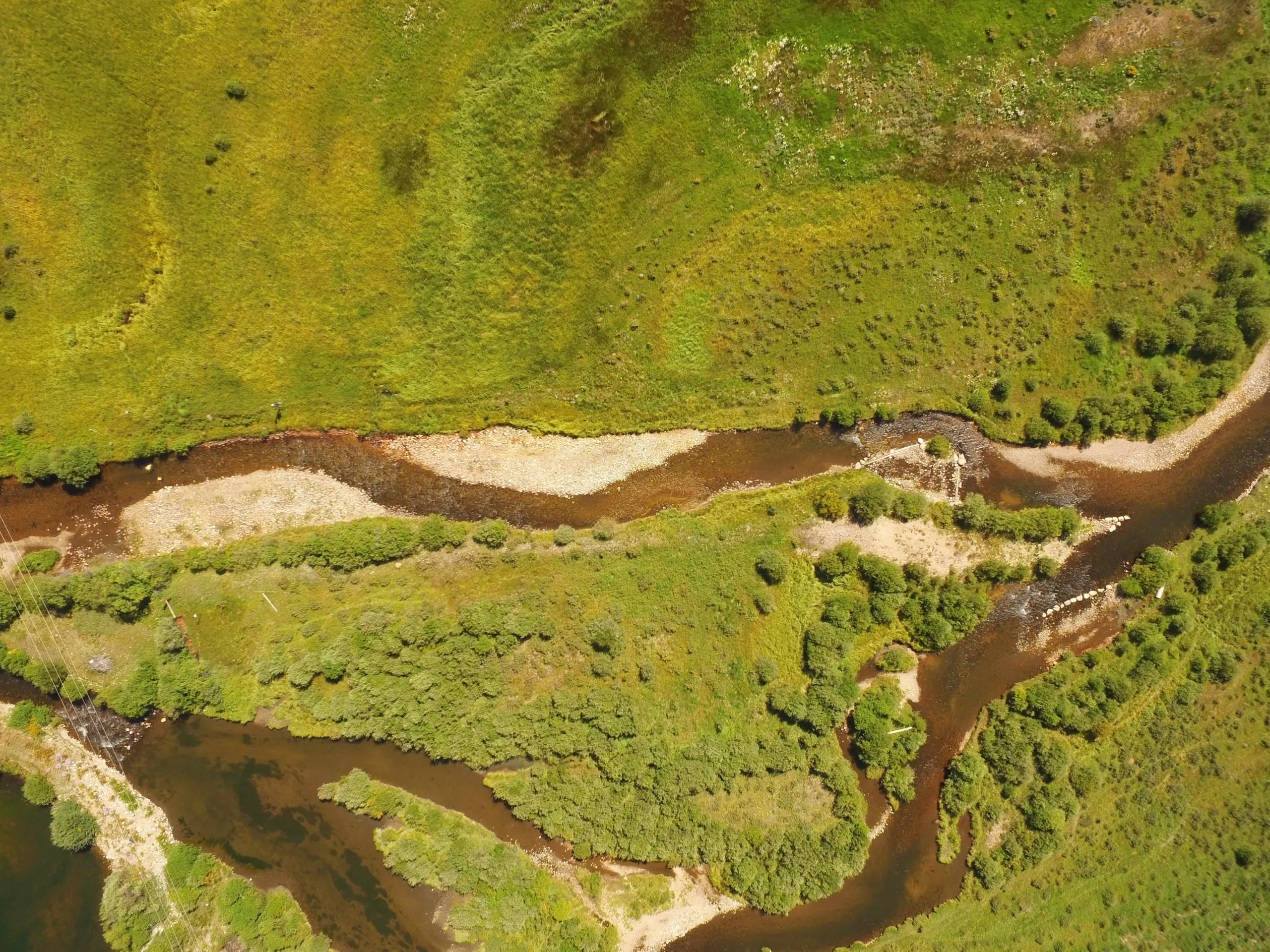
Denver Water is pulling more water from rivers, creeks and communities in Grand County to refill its reservoirs after a record-hot summer, sparking pushback from some western Coloradans.
Read more Hickenlooper and Baisley clash over Trump, fuel prices and Social Security in US Senate debate
Denver Water’s reservoirs — the water storage for 1.5 million people — are far lower than normal for this time of the year. The utility has issued mandatory restrictions, which means it can also increase the amount of water it pulls from certain streams and rivers on the Western Slope for the Denver area.
But that leaves a trickle of water in Grand County rivers and creeks, and the western communities that rely on them. The Winter Park area’s water supplies will be reduced. Fish eggs can die in shallow ice, impacting environments and fishing outfitters, said Kirk Klancke, president of the Colorado River headwaters chapter of Trout Unlimited.
His main frustration? That residents in the Denver area did not do enough to conserve water this summer — and now Western Slope communities are dealing with the consequences.
“Those people look at us and call us hillbillies, but I guess we understand where our water comes from, and they don’t,” Klancke said. “Every time you turn a sprinkler on in the Front Range, you’re taking the water level down in a river on the West Slope.”
Denver Water’s collection system — a network of ditches, canals, pipes and tunnels — covers about 4,000 square miles and extends into eight counties. Some of that water comes from Western Slope rivers, like the Fraser River in Grand County, and has flowed through tunnels like the Moffat and Roberts tunnels to reach Front Range communities for decades.
Similar diversions help move water across river basin boundaries and around Colorado. It’s part of how the state’s water system works to nourish growing communities, environments and industries. But the system has some drawbacks.
In Grand County, Denver Water’s headgates divert some water while leaving the rest to keep flowing through the Fraser River watershed.
It’s these flows, called bypass flows, that Grand County groups are watching.
About 4 cubic feet per second of water has been flowing past one gauge on the Fraser River. The river is the sole water supply for the Winter Park Ski Resort, Klancke said. It also flows into the Colorado River, which goes on to provide water to 40 million people across the West.
Starting Tuesday, the flow will drop to 2 cfs as Denver Water takes more water out of the river. The Fraser River’s flows hovered between about 6 and 10 cfs in late September over the last five years.
The flows past Denver Water’s diversion on Vasquez Creek, which flows into the Fraser River, will also drop to 2 cfs from 3 cfs starting Tuesday. The creek is the sole water supply for the town of Winter Park.
Ranch Creek, another Fraser River tributary, dropped to 1.5 cfs from 2 cfs on Oct. 2. The flow on the tributary, St. Louis Creek, is also scheduled to drop to 2 cfs from 3 cfs once agricultural irrigation uses wrap up for the season.
A western-eastern Colorado compromise
The original plan was to drop the flow on the Fraser River, Vasquez Creek, Ranch Creek and St. Louis Creek to 1 cfs.
“It wasn’t really presented as negotiable, but it was enough to put us in a tizzy up here on the Western Slope,” Klancke said.
Some water districts were worried the water supply for the ski resort would freeze solid, which would be a huge blow to the local economy.
Or cut into the water they needed to meet community water demands. Or the creeks wouldn’t have enough water to dilute treated water coming out of wastewater treatment plants up to required standards.
Winter Park Water and Sanitation District and Grand County Water and Sanitation District #1 either could not be reached for comment or declined to comment.
Dropping the streams to 1 cfs could make sections shallow enough to freeze, which would kill fish eggs and , impacting fisheries for years into the future, Klancke said.
“Are you allowed to get depressed over the death of nature? Yeah. I was pretty saddened by it,” he said. “I thought it was unreasonable.”
That’s when the negotiations started, said Nathan Elder, Denver Water’s manager of water supply.
Read more Watch: The Colorado Sun hosts U.S. Senate candidate debate
Denver Water has some of the oldest rights to water in the area, which means it has priority over more recent, junior water users under Colorado water law.
The utility’s water management is guided by agreements made in past decades, like the 1992 Clinton Reservoir-Fraser River Water Agreement and the 2013 Colorado River Cooperative Agreement.
Denver Water is barred by past agreements from reducing those flows to a level that would cause Grand County entities to have to go on indoor water use restrictions, Elder said.
The utility also doesn’t have to relax its planned diversions under water law like it did after talking with the Grand County water groups.
“I have a full understanding of what low reservoirs and high demand means for Denver Water, and I have compassion for that,” Klancke said.
He’s been working with the water utility on water issues for 30 years, after all. And the attitude is different now than in the past: They don’t want to kill rivers or disregard municipal water needs on the Western Slope.
This time, it was an example of working together — and that’s what Colorado water users have to do, Klancke said.
“If we have to settle for the minimum we think will keep a river alive, so that they can also get through this drought … I’m pretty good with it,” he said. “I’m pretty happy that Denver was willing to compromise.”
So what is this water used for?
The water is going into Gross and Ralston reservoirs to be stored for next spring, Elder said.
Denver Water had about 67% of its normal water storage as of Oct. 5. Normally at this time of year, the reservoirs are closer to 90% full.
The utility drained Antero Reservoir completely to avoid losing water to evaporation this summer. Dillon Reservoir is sinking to historically low levels. Denver Water started mandatory restrictions March 25 and banned outdoor lawn watering after Oct. 1.
“We’re just experiencing epic drought conditions,” Elder said.
But residents who rely on Denver Water also didn’t do enough to curb their use this summer, the peak of water use when everyone wants to nurture their lawns and gardens that would otherwise wilt or go brown in the hot, dry days.
About 70% to 80% of the Fraser River is being diverted to the Front Range to grow thirsty Kentucky bluegrass when Grand County has been in an exceptional drought, Klancke said.
“If they want to live in Colorado and enjoy the environment on the West Slope, they need to do some compromising because they’re putting their water provider in a very compromising position … for the sake of having bright green lawns,” he said.
Most communities implemented voluntary restrictions this summer, while just a few announced mandatory restrictions. The ones that were mandatory didn’t have enough enforcement.
“The whole Front Range got a D-minus in conservation,” Klancke said.
Denver Water, for its part, set a goal to cut water use by 20% compared with the five-year average. By midsummer, residents had only cut their use by 2%. By the end of September, they’d reached 10% in reductions, Elder said.
Once the outdoor watering ban started, the water reductions shot up to 34%.
The utility is compiling its takeaways from the summer and what it might change in the future. That could include making outdoor water more expensive or implementing warnings and fines more quickly.
“I think there’s definitely room for improvement,” Elder said.
His message to residents?
“We just need to realize that climate change is here,” he said. “It’s going to take a community effort to preserve our water supplies going forward. There’s something that everybody can do, and we really need to pay more attention to the water we’re using.”
Read more Colorado Ballet’s 20-year survival tale includes begging, borrowing and grit