 By admin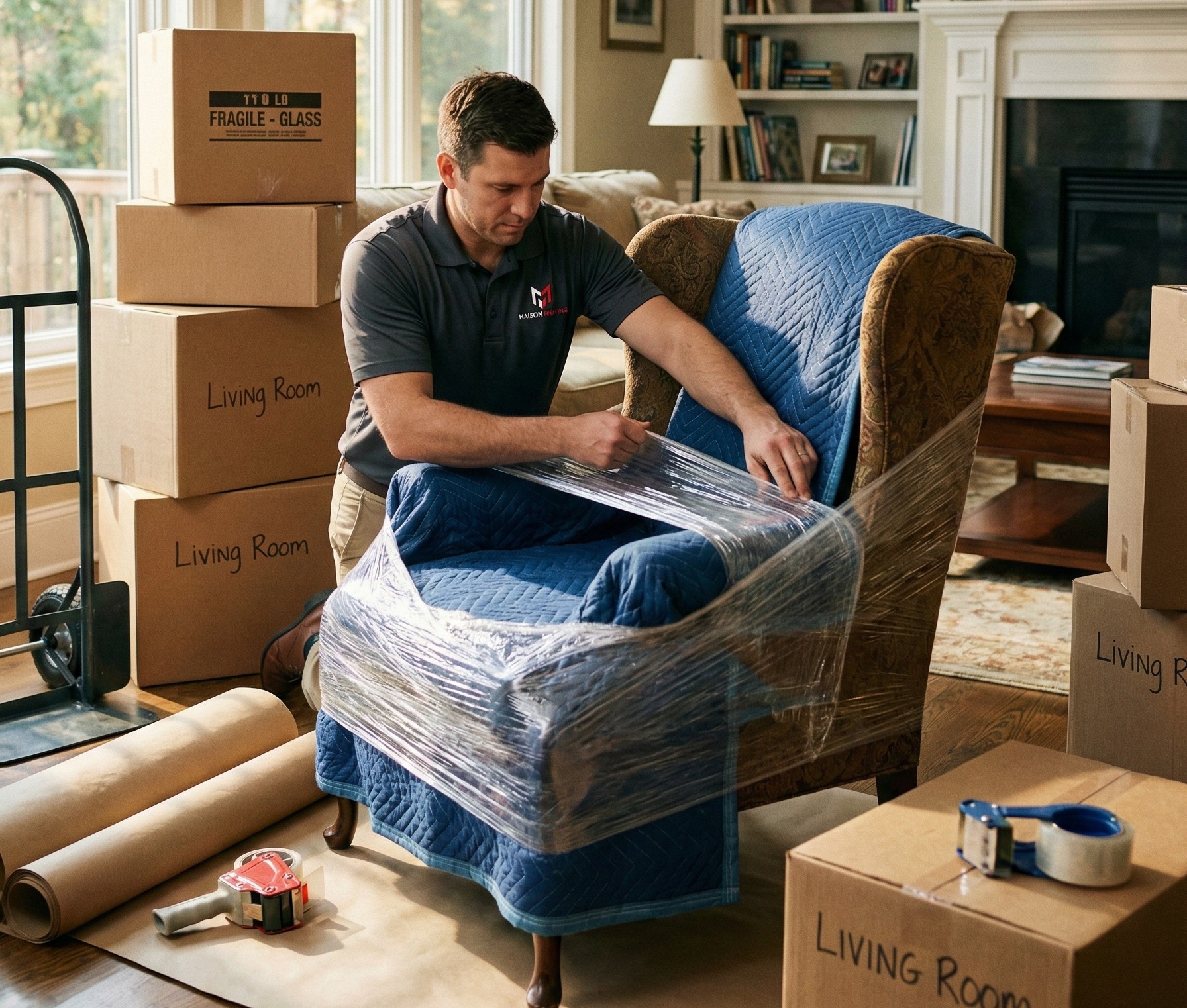
A delicate furniture finish can make an ordinary table, cabinet, or dresser look exceptional. Unfortunately, those same polished, painted, lacquered, veneered, or decorative surfaces can be surprisingly vulnerable when a piece leaves its familiar place in the home.
Long-distance transportation adds another layer of complexity. Furniture may be lifted through narrow passages, loaded alongside other household possessions, transported for an extended period, and handled again at the destination. Careful preparation therefore matters just as much as the protection used during the journey.
Start by Examining the Surface
Before wrapping anything, inspect the furniture in good lighting. Look at tabletops, drawer fronts, corners, legs, handles, decorative trim, and exposed edges.
Identify existing scratches, chips, loose components, or areas that already require attention. Taking photographs before the move can also provide a useful record of the furniture’s original condition.
For particularly valuable pieces, it is worth determining whether the finish is lacquer, varnish, wax, paint, veneer, leather, or another material. Different surfaces may respond differently to cleaning products and protective materials.
Give Delicate Finishes a Clean Start
Dust and small particles can become abrasive when trapped between a surface and its protective covering.
Clean the furniture using a method appropriate for its finish, then allow it to dry completely. Avoid trying an unfamiliar chemical product immediately before transportation. The safest preparation is usually the one that follows the furniture manufacturer’s care recommendations.
If a piece has recently been polished, make sure the surface is completely settled before wrapping it.
For households planning a Furniture protection cross-country move, professional preparation can be especially valuable when several high-quality or unusually delicate pieces are involved. Price Movers provides moving solutions for furniture and other household possessions, with information about the company available at pricemovers.com.
Choose Protection for the Actual Furniture
There is no universal wrapping method that works equally well for every piece.
Soft furniture pads can create a useful barrier against scratches and minor impacts. Additional protection can be placed around corners, legs, handles, and decorative projections.
Keep Protective Materials From Rubbing
Protection should prevent friction rather than create it. A poorly positioned covering can move during transportation and repeatedly rub against a finished surface.
Make sure protective materials fit securely without applying unnecessary pressure to fragile areas.
Adhesive also deserves attention. Avoid placing tape directly on finished furniture unless the manufacturer specifically recommends it. Tape residue can be difficult to remove, and certain finishes may be sensitive to prolonged adhesive contact.
Pay Special Attention to Corners
Furniture corners are among the first areas likely to encounter a doorway, wall, railing, or another object.
Use suitable cushioning around exposed corners and make sure decorative edges cannot catch during handling. If the furniture has removable legs, shelves, glass panels, or hardware, follow the manufacturer’s recommendations for preparing those components.

Small parts should be kept together in labeled bags rather than left loose inside drawers or containers.
Prepare Drawers and Doors
A drawer that slides open while furniture is being carried can become a hazard and may also damage the piece.
Depending on the construction, drawers may need to be removed or secured. Doors and removable panels should be handled according to the furniture’s design.
If components are taken apart, photograph their original arrangement. This simple record can make reassembly considerably easier after the move.
Plan the Route Before Moving Anything
Furniture protection begins before the first step toward the moving truck.
Measure narrow doorways, corridors, staircases, elevators, and other potentially difficult points. Remove obstacles and decide how large pieces will be maneuvered through tight turns.
A protective covering cannot compensate for a route that requires furniture to be dragged, forced, or repeatedly turned against a wall.
Tell the Moving Crew About Vulnerable Pieces
Point out furniture with especially sensitive finishes before it is handled. Explain which surfaces are valuable, newly restored, unusually delicate, or already damaged.
This gives the crew an opportunity to consider the appropriate handling approach rather than discovering the issue during transportation.
Think About Long-Distance Transportation
A cross-country move introduces more time and handling into the equation than a short relocation. Furniture may experience more loading and unloading activity, making secure preparation particularly important.
For this reason, Furniture protection cross-country move planning should include the entire journey rather than focusing only on getting the piece out of the original property.
Price Movers can be part of that process when households need professional assistance with transporting furniture over longer distances. The company’s services can be explored through its main site at https://pricemovers.com/.
Prepare the Destination Before Delivery
Protection should remain effective until the furniture reaches its final position.
Clear the destination route before the moving team arrives. Remove objects that could scratch surfaces and decide where major pieces will stand.
Avoid placing delicate furniture temporarily in an overcrowded area where it may be bumped while other boxes are being unloaded.
Keep a Record of Valuable Pieces
For expensive or sentimental furniture, maintain photographs and a simple inventory. Note distinctive features, removable components, and any existing imperfections.
This information can also help you remember how each piece was positioned before transportation.
A careful Furniture protection cross-country move strategy is ultimately about reducing avoidable risks at every stage. Inspecting finishes, choosing appropriate protective materials, securing removable components, planning access routes, and communicating clearly with movers all contribute to safer transportation. With Price Movers supporting the physical relocation, homeowners can approach even a long-distance furniture move with a more deliberate and organized plan.